AI struggles in classrooms not because it lacks intelligence, but because it misunderstands attention. Teaching is a live system where even brief disengagement has consequences. Tools that interrupt flow lose, no matter how sophisticated they are.


AI struggles in classrooms not because it lacks intelligence, but because it misunderstands attention. Teaching is a live system where even brief disengagement has consequences. Tools that interrupt flow lose, no matter how sophisticated they are.

After years of building AI in education, I’ve seen most initiatives fail not because the models were weak, but because they were designed as features instead of systems. When AI is grounded in real teacher pain and classroom reality, adoption follows. When it isn’t, even impressive technology quietly goes unused.

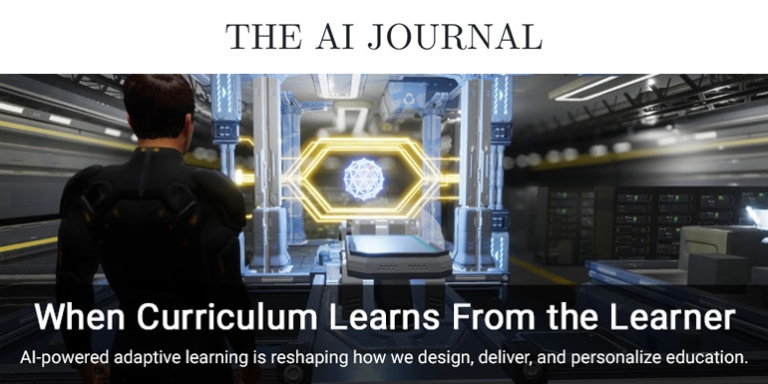
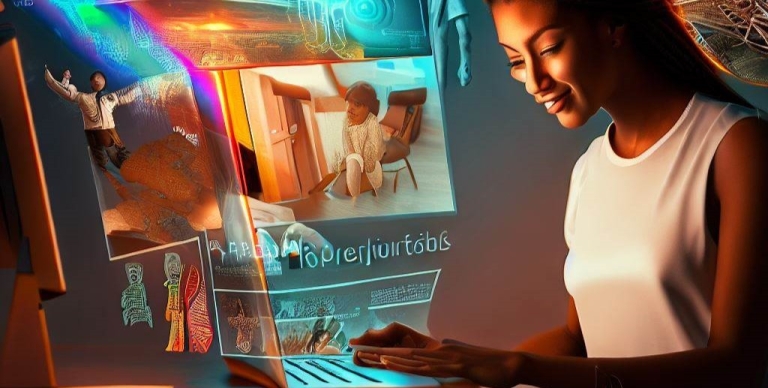
In my 2025 AI Journal article, I explored how adaptive curriculum can ‘learn back’ from every student. By modeling real-time signals—not averages—AI personalizes instruction, supports neurodiverse learners, and frees teachers to focus on what matters most: human connection.

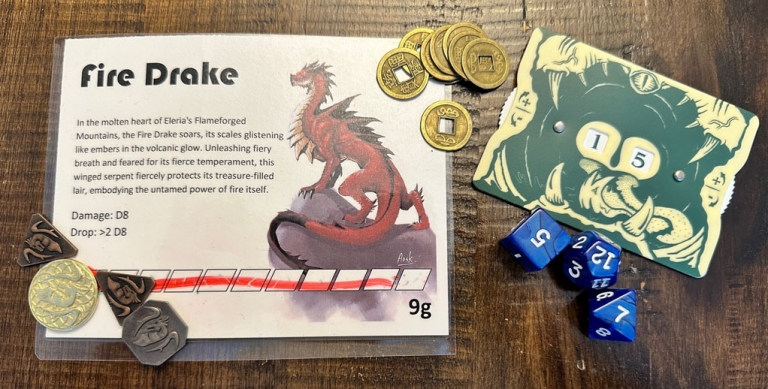
Reimagining daily learning tasks as epic quests, I devised a role-playing game for my children that married learning with adventure. This experiment transformed mundane activities into epic endeavors, fueling motivation and encouraging a love for learning. This innovative approach reshapes how we view learning at home, proving that with a dash of creativity and game mechanics, we can inspire our children to embark on their own educational odysseys.

In recent years, educational technology (EdTech) has made significant strides in transforming the way students learn and engage with educational content. One notable example is Odeum's groundbreaking 3D open-world game, "Hua Mulan: A Chinese Learning Adventure," which combines immersive storytelling with experiential learning to teach the Chinese language and culture. To create such games, Odeum developed Odeum Studio, an authoring tool that enables educational game designers to rapidly build 3D open-world games aligned with specific learning objectives. The tool works by serializing the game into a JSON string that is loaded into the game client on the learner's computer. Imagine the potential impact on game development speed and quality if artificial intelligence (AI) could be integrated into the process, assisting with story creation, crafting quests, and generating dialogues for non-player characters (NPCs). In this blog post, we will explore how AI can revolutionize the creation of 3D open-world games like Odeum's Hua Mulan and unlock new possibilities in the world of EdTech.

At FETC 2018 in Orlando, I shared how role-playing in immersive virtual worlds can build connection, retrieval skills, critical thinking, and empathy. Using the Odeum Platform, I showed how AI-powered adventures transform history, language learning, and literature into active exploration.